Objects of Desire
Heel, string and woofer: where Marbella listens
Flamenco at arm’s length, Danish loudspeakers on the port and live music seven nights a week.
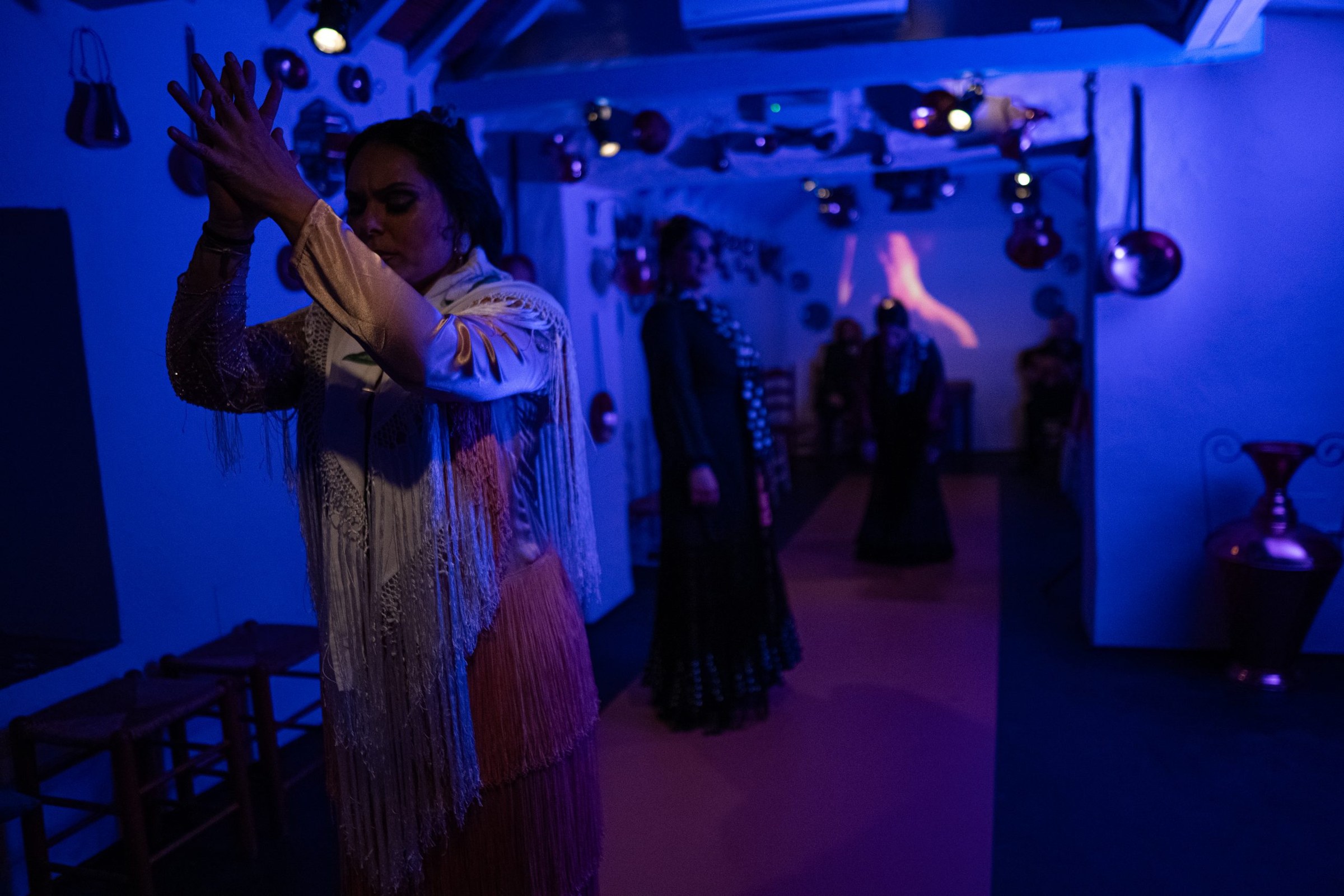
Photo Credit
Image courtesy of © Tablao Flamenco MarbellaMarbella has two kinds of sound worth crossing town for. One is made by a dancer’s heels on a wooden floor, close enough to rattle your glass; the other comes out of Danish aluminium on the Puerto Banús waterfront. Which makes the better listening room? It depends on whether you want to hear the music or feel it, and this guide covers both.
Flamenco at close range
UNESCO inscribed flamenco on its list of the Intangible Cultural Heritage of Humanity in 2010, describing an art that fuses song (cante), dance (baile) and musicianship (toque). In a tablao all three arrive at once and at very short range, which is the point: the floor is part of the instrument, and so, if you sit at the front, is your wine glass. The Old Town tablao calls itself legendary, and nobody in the front row seems minded to argue.
Tablao Flamenco Marbella, on Plaza del Santo Cristo at the top of the Old Town, has a show every day at 18:00, 19:30, 21:00 and 22:15, with tickets sold online. The early show suits families and jet lag; the late one suits everyone else. Sound engineers spend fortunes recreating what a good tablao gets for nothing: a small room, hard surfaces and nowhere to hide.
Down on the port, PiCú Marbella pairs flamenco with dinner: its Flamenco Menu and show runs on Tuesdays and Thursdays at 19:30, though availability varies with the season. It is open daily from 13:00 to 23:00, with group menus from September to May for parties of more than ten, so a birthday table can come with its own guitarist.
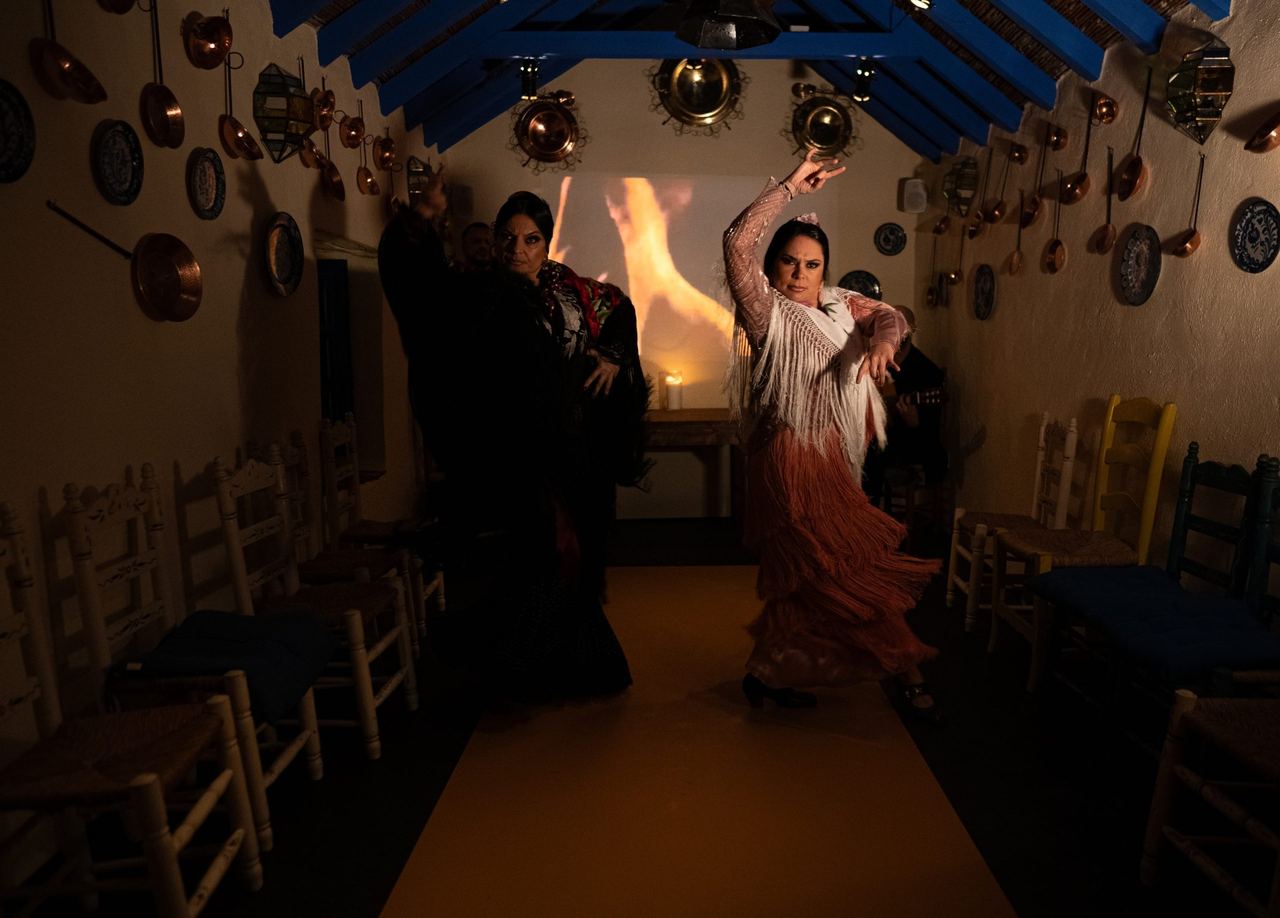
Photo Credit
Image courtesy of © Tablao Flamenco Marbella
Photo Credit
Image courtesy of © La Sala Puerto BanúsDanish sound on the port
Bang & Olufsen was founded on 17 November 1925 by Peter Bang and Svend Olufsen, who started out in an attic at the Olufsen family home near Struer, in Denmark. Their first product, the Eliminator, let a radio run from the mains rather than from batteries, an invention that sounds modest until you remember what batteries were like in 1925.
Struer is still the company’s headquarters and the home of its production, aluminium work included, which explains why the speakers look milled rather than moulded. The family shareholders held every share until 1977, when the company listed on the Copenhagen Stock Exchange: a long time to keep a secret in a town that small.
The Marbella showroom stands on Calle Antonio el Bailarín in Puerto Banús, a street named after “Antonio the Dancer”, which feels like good casting. The store offers professional installation by certified installers, a repair service and the house’s Atelier service for extended materials and personalisation.
Sound engineers spend fortunes recreating what a good tablao gets for nothing.
It opens on weekdays 10:00–14:00 and 15:00–19:00, and on Saturdays 11:00–14:00. Loudspeakers are best judged in a quiet room, so book a time on a weekday rather than auditioning them between shopping bags. The showroom closes for lunch and on Sundays: a very Spanish rhythm for a very Danish brand.
Live music, seven nights
For sound with a crowd attached, La Sala Puerto Banús promises live music, singers and DJs seven days a week, with weekly tribute acts to the likes of Michael Bublé, Robbie Williams and the Rat Pack, and longer line-ups on Sundays. It opens from 10am to 2am, and until 3am on Fridays and Saturdays, so the encore is rarely the problem; getting a table is.
The big screen
The largest listening room in town is a cinema. Red Dog Banús in Puerto Banús has seven screens with Dolby Atmos and shows films in their original language with Spanish subtitles (VOSE), so the dialogue arrives as the actors meant it, and the explosions arrive from the ceiling. The cinema is run by Odeon Multicines, which publishes the programme and sells tickets online.
Our advice: book the 21:00 show at the tablao, walk down Calle Ancha for dinner with the heels still ringing in your ears, and save the loudspeakers for a weekday morning, when the showroom is quiet enough to hear the difference. Arrive early at the tablao for a front-row seat, and keep Saturday night for the tribute acts at La Sala.
Why it's on our list
- Flamenco at close range
- Danish sound on the port
- Live music, seven nights
- The big screen
Location
The map comes from Google Maps, which sets its own cookies once it loads.
More in depth
 Objects of DesireCouture you can live in: the fashion houses building the Golden MileDolce&Gabbana, Karl Lagerfeld and Fendi Casa have turned from the catwalk to the Golden Mile.
 Objects of DesireStirred, not shaken: the Martini on Marbella’s rooftopsA Dry Martini by the book, then up to the rooftops where Marbella takes its first drink.
 Objects of DesireLess parked than crouched: the electric Jaguar and the new supercarsJaguar’s Type 00 and Type 01, Ferrari’s first electric car and the record-breakers around them.