The Observatory
Sugar bowls on a high shelf: Andalusia’s observatories
Calar Alto, the Sierra Nevada, El Torcal and Andalusia’s Starlight skies, inland from the coast.
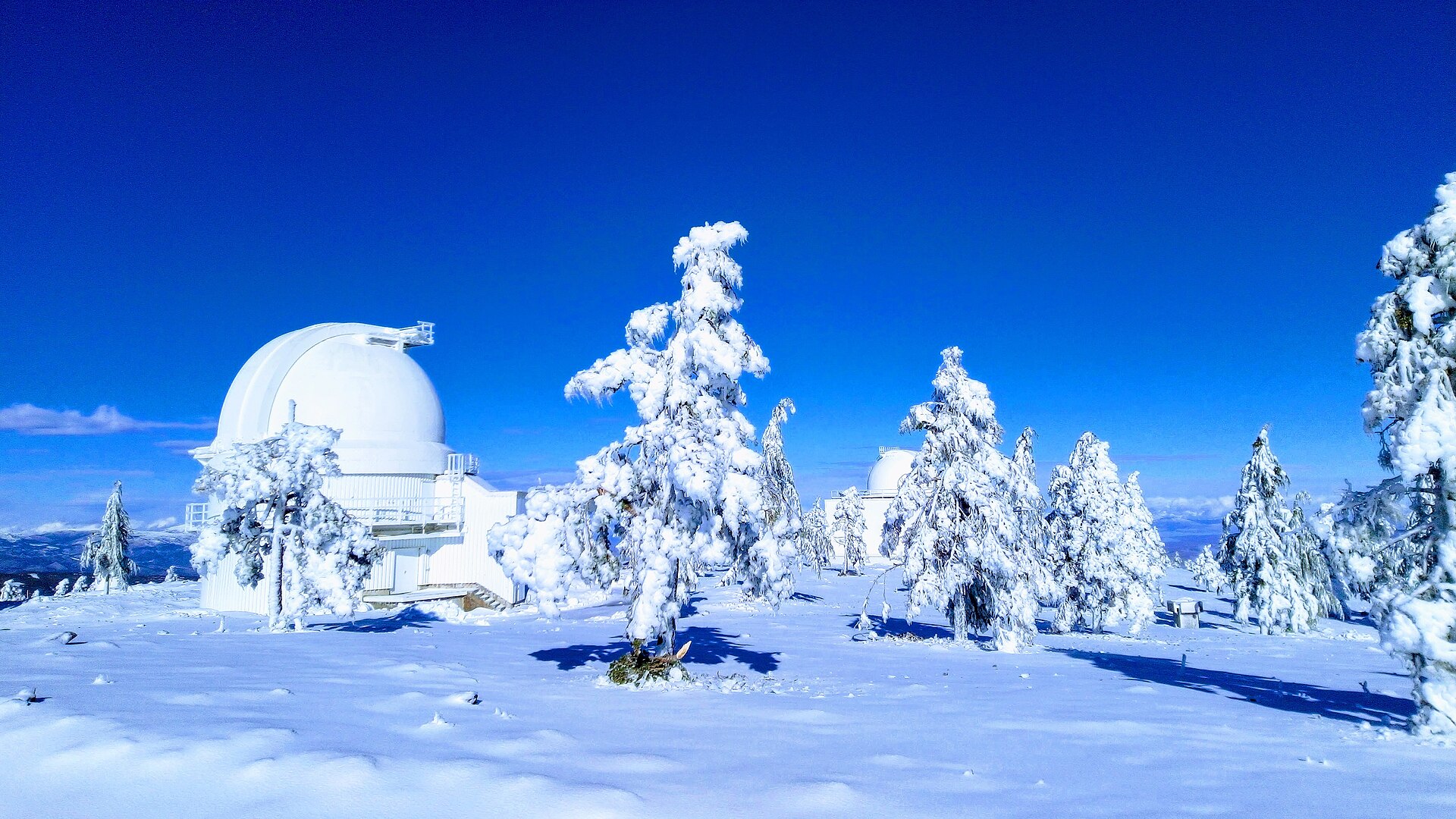
Photo Credit
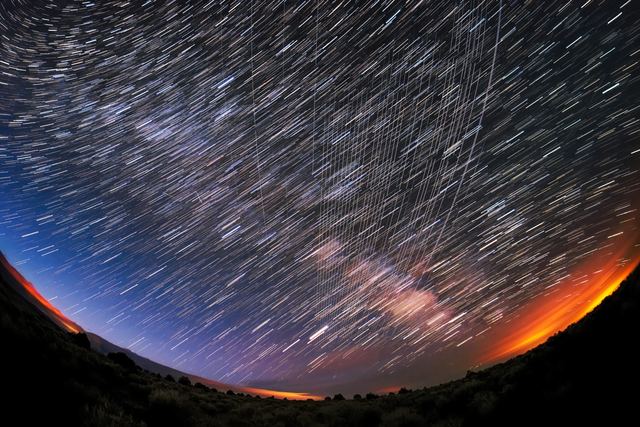
Image courtesy of © Eulalia Gallego Cano · CC BY 4.0 via Wikimedia CommonsAndalusia keeps some of Europe’s great telescopes on its mountains, and certified dark skies within a drive of the Costa del Sol. Here are Calar Alto, the Sierra Nevada observatories, El Torcal above Antequera and the Starlight reserves and destinations, checked against the observatories’ own pages and the Junta de Andalucía’s official tourism site in November 2026.
Europe’s biggest eye
Marbella’s nights are made for terraces, not telescopes: the coast glows from end to end. Drive inland and uphill, though, and Andalusia becomes one of Europe’s great observing platforms, its mountaintops set with white domes like sugar bowls left out on a very high shelf. The Junta de Andalucía’s own tourism site names the two great ones: Calar Alto in Almería and the Sierra Nevada Observatory above Granada.
The grandest is Calar Alto, on a plateau 2,168 metres up in the Sierra de los Filabres, higher than any rooftop bar on the coast will ever get. Founded in 1973 under an agreement between the German and Spanish governments, it has been run since 2019 by the Institute of Astrophysics of Andalusia (IAA-CSIC) and the Junta de Andalucía. Of its five telescopes, the 3.5-metre is, the observatory says, the largest on the European continent.
You can visit. Since March 2016 the observatory has welcomed the public through Azimuth, which runs guided daytime tours of about an hour and a half on set dates, usually at weekends (the next are 21 and 28 November 2026), generally taking in the 3.5-metre telescope; they are for ages eight and over. On some dates a solar workshop adds sunspots and prominences through solar telescopes, weather allowing: astronomy that needs the sun out.
After dark, evening sessions pair a talk with large portable telescopes; on some nights the 1.23-metre research telescope is turned on the Moon or the planets for visitors aged 12 and over; every night programme depends on the weather. The longest, Ventana al Universo, runs for nearly four hours, from late afternoon into the night. Azimuth insists on warm clothing: at this height summer is a rumour.
A snowfield of telescopes
Granada’s Sierra Nevada holds two more, high above the ski runs. The Sierra Nevada Observatory, run by the IAA-CSIC at 2,896 metres, the highest in this story, works with a 1.5-metre and a 90-centimetre telescope, among others. They are research instruments first, so the public gets in only on guided visits in summer, usually in July or August: a short season for the longest view in Andalusia.
On Pico Veleta, at 2,850 metres, IRAM’s 30-metre radio telescope listens for millimetre waves, from 3 to 0.8 millimetres, rather than looking for light. IRAM built it in only four years, from 1980 to 1984, and calls it one of the largest and most sensitive radio telescopes for tracing millimetre waves. From the slopes it looks like a satellite dish that has wandered off a very grand villa.
El Torcal’s limestone towers look strange enough by day; by starlight they look like a game of chess abandoned by giants. The Junta’s Starlight list does not yet include the Sierra de las Nieves behind Marbella, so for certified darkness, head north-west to the Sierra de Cádiz.
Starlight skies and the nearest dome
For darkness without a research grant, the Junta’s official tourism site lists Andalusia’s Starlight places: the Sierra Morena, Sierra Sur de Jaén and Los Pedroches Starlight Reserves; the Alto Guadiato Valley and Sierra de Cádiz Starlight Destinations; Fuente-Tójar, a Starlight Town; and Starlight Places including Capileira in the Alpujarra of Granada. Any municipality within them, it says, is a good place to look up.
Closest to Marbella is El Torcal above Antequera, a karst landscape the Junta’s tourism site ranks among Europe’s most important. Its Astronomical Observatory, beside the Torcal Alto visitor centre at 1,200 metres, has been open since 2010; with hardly any buildings nearby and little light pollution, its dome telescope is used to study meteors and other celestial bodies. The visitor centre’s museum fills the hours before dark.
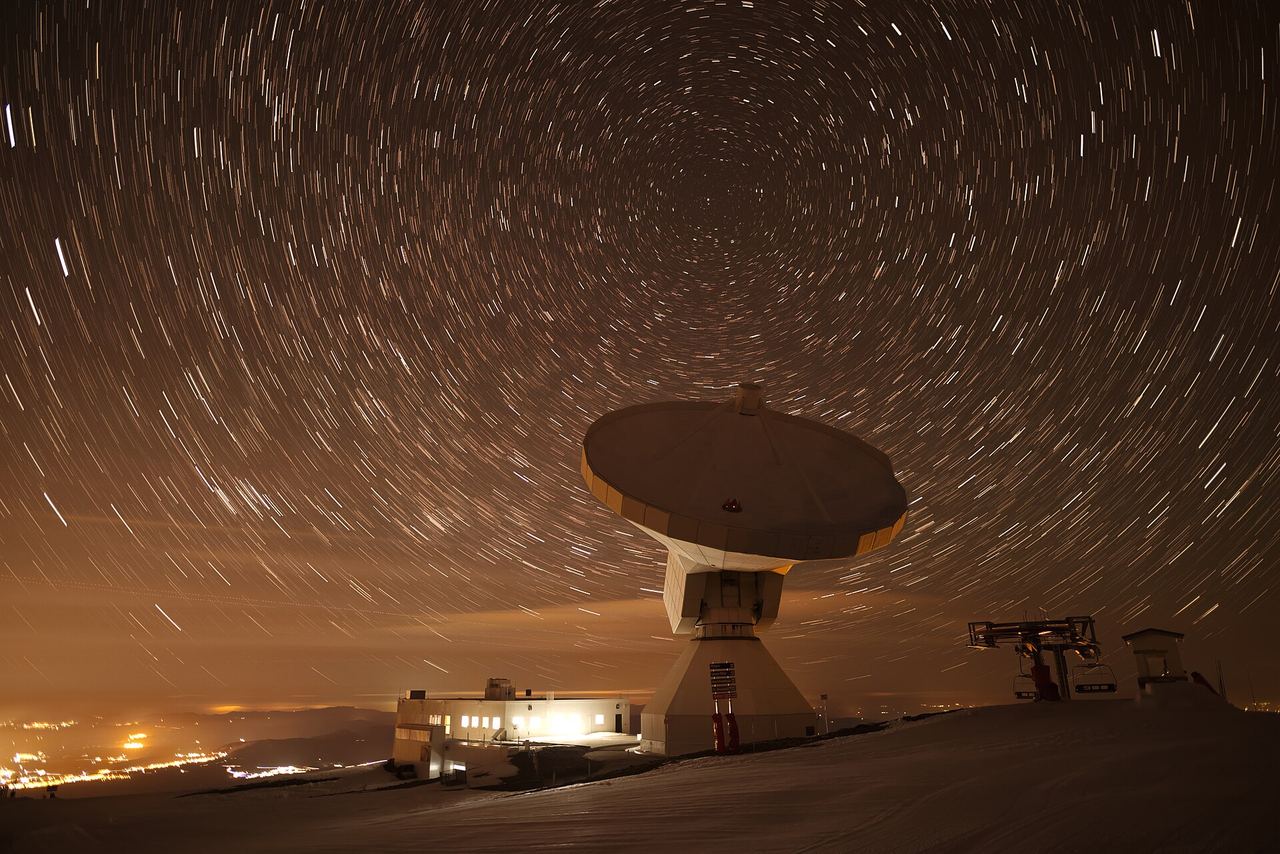
Photo Credit
Image courtesy of © IRAM · CC BY-SA 4.0 via Wikimedia CommonsFrom mid-June to September, Antequera’s Luz de Luna season adds theatrical night walks, concerts and observing at the Dolmens. El Torcal’s limestone towers look strange enough by day; by starlight they look like a game of chess abandoned by giants. The Junta’s Starlight list does not yet include the Sierra de las Nieves behind Marbella, so for certified darkness, head north-west to the Sierra de Cádiz.
Our advice: book Calar Alto or El Torcal ahead, pack a proper coat whatever the coast is doing, and check the Moon before choosing a night. A full one is wonderful through a telescope and ruinous for the Milky Way, so match the programme to the phase; the Moon nights at Calar Alto are planned for exactly that. And leave time for the drive up: the best skies in Andalusia are never at the end of a short road.
Why it's on our list
- Europe’s biggest eye
- A snowfield of telescopes
- Starlight skies and the nearest dome
Location
The map comes from Google Maps, which sets its own cookies once it loads.
More in depth
 The ObservatoryAutocomplete with ambitions: artificial intelligence in plain EnglishHow today’s AI is trained, where it shines, where it slips, and the questions worth asking.
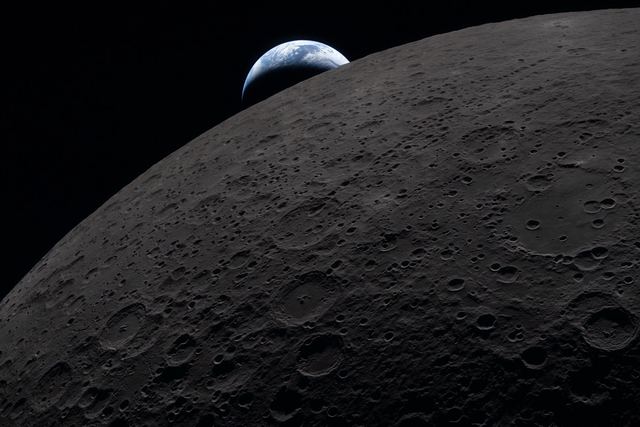 The ObservatoryEarthset, and the long road back to the MoonArtemis II’s record flight, a rehearsal in Earth orbit, and the many roads to the lunar south pole.
 The ObservatoryPearls on a thread: the satellites that wired the skyStarlink, OneWeb, Amazon Leo and China’s networks: internet from orbit, and the night sky’s cost.