Space
Space near Marbella: Starlight skies, observatories and stargazing
Starlight skies, El Torcal’s star nights and the Calar Alto observatory within reach of Marbella.
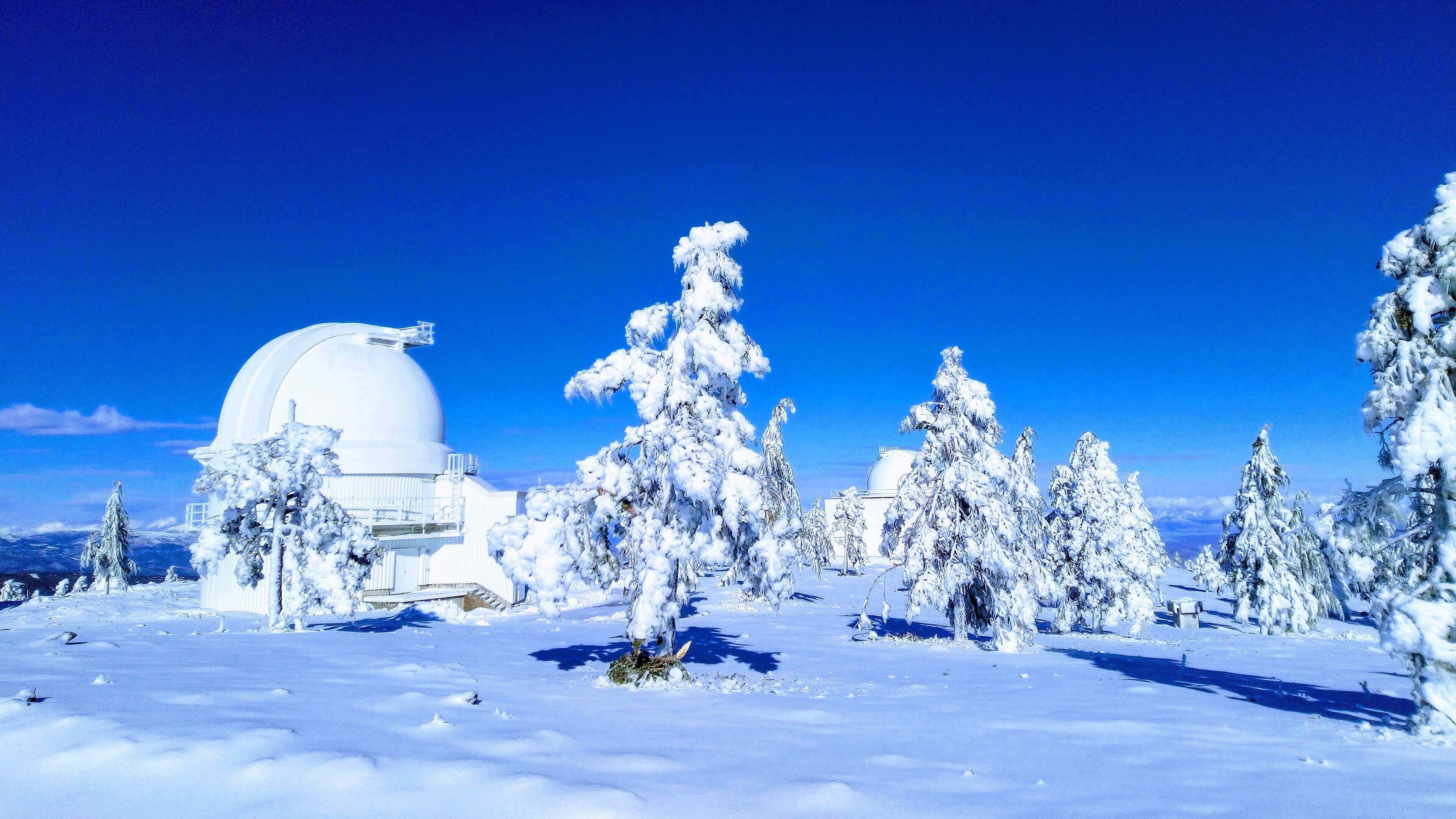
Photo Credit
Image courtesy of © Eulalia Gallego Cano, CC BY 4.0, via Wikimedia CommonsAndalusia takes its night sky seriously enough to certify it. Within a drive of Marbella are a Starlight-certified village in the Serranía de Ronda, the Starlight Destination of the Sierra de Cádiz, telescope nights among the limestone towers of El Torcal and one of Europe’s working observatories at Calar Alto, each checked with the organisers.
A coast of light, a hinterland of stars
The Costa del Sol was built to be lit up. Inland, the mountains of the Serranía de Ronda and the Sierra de las Nieves begin to switch the lights off, and Andalusia has started to certify what is left. The Starlight Foundation recognises places that protect their darkness, and several now lie within a drive of Marbella.
Cuevas del Becerro: Málaga’s Starlight village
The Starlight Foundation’s certification list includes the municipality of Cuevas del Becerro, certified in December 2023, a small village at 733 metres in the Serranía de Ronda, described as the first municipality in Málaga province to earn the certificate. Its reward for keeping its lights low is a sky most of the coast has forgotten.
The Sierra de Cádiz: a Starlight Destination
To the west, the Sierra de Cádiz holds Andalusia’s most recent Starlight Destination certification, according to the regional tourist board. The comarca includes the Sierra de Grazalema Natural Park, also a Biosphere Reserve, and Los Alcornocales. A Starlight Destination must show both good skies and the infrastructure, from lodgings to observation points, for visitors to enjoy them. Here the night sky is treated as an amenity, like a pool or a view.
El Torcal de Antequera: telescopes among the stone towers
El Torcal’s limestone towers look like a city abandoned by giants, and at night they make a theatrical horizon. The Observación Astronómica runs from the car park of the Torcal Alto visitor centre, beside the Observatorio Astronómico del Torcal de Antequera: about two hours under the sky from dusk, with professional telescopes, outdoors on asphalt. The next season is listed as summer 2027.
Booking is required, through the online form, by email to reservas@torcaldeantequera.com or by phone on 952 24 33 24 or 683 146 594 between 9.30 am and 5 pm. Tickets are listed at €11, or €9 for under-12s and pensioners. The session is cancelled if there are too few bookings or the weather turns, so bring warm layers: the Torcal is far cooler at midnight than the beach at noon.
The Sierra de las Nieves: a warning in the dark
Not every story is a happy one. In 2024 AstroLab closed its public observatory in the old watchtower at Yunquera, in the Sierra de las Nieves, saying light pollution in the town had made stargazing there almost impossible. It still offers guided telescope sessions inside the Sierra de las Nieves National Park. The lesson is plain: darkness that took millions of years to arrange can be undone by one well-meaning streetlight.
Book El Torcal’s star nights early for summer 2027: they need a minimum number of guests to run.
Calar Alto: a working observatory by day
For the full professional experience, the Calar Alto Observatory in the Sierra de los Filabres, Almería, offers two-hour daytime visits guided by staff with scientific training. Public visits are usually at weekends, for visitors over eight, and the first-choice telescope on the tour is the 3.5-metre.
Current visits add a solar workshop with specialised telescopes, sunspots and prominences included, with dates listed for 21 and 28 November 2026; tickets are sold through Azimuth Spain. It is a long drive from Marbella, and an unforgettable one.
Principia, Málaga: for schools for now
Málaga’s Principia science centre has a planetarium of 26 seats under a five-metre dome, with a digital projector that can show the constellations of both hemispheres. At present, though, the centre receives only school groups, by reservation, so it is one to watch rather than one to visit.
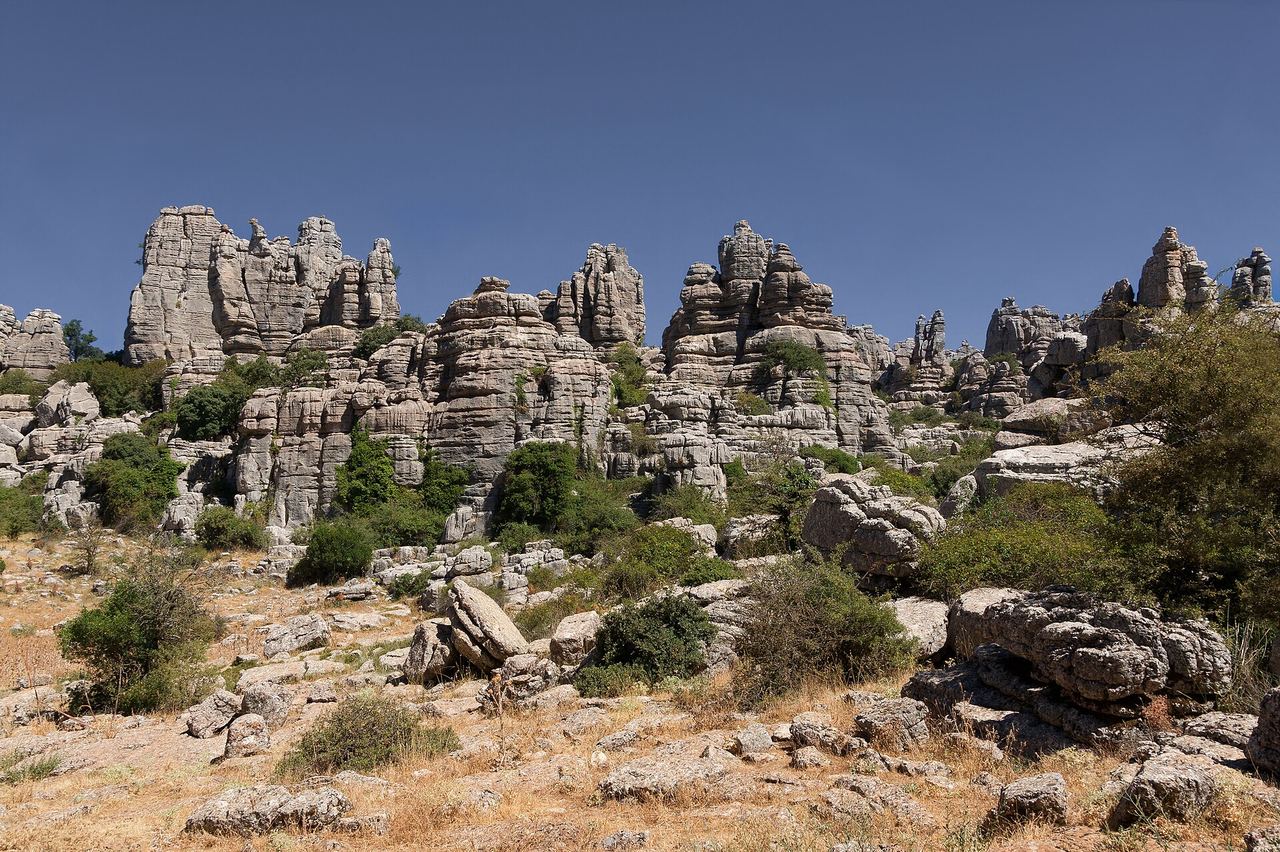
Photo Credit
Image courtesy of © Jebulon, CC0, via Wikimedia CommonsFurther afield: La Palma and Tenerife
For the great telescopes of the Canary Islands, from the 10.4-metre Gran Telescopio Canarias on La Palma to the Teide Observatory, visits are booked ahead and are suspended from December to March because of the weather: the stars there keep a summer timetable.
Why the dark matters here
Southern Spain sells sunshine, but its nights may prove just as valuable. The certified villages and sierras are betting that travellers will drive into the hills for a sky full of stars the way they once drove to the coast for a beach. Yunquera shows what happens when the bet is lost, Cuevas del Becerro what happens when it is won.
Why it's on our list
- Cuevas del Becerro, Málaga’s Starlight village
- The Sierra de Cádiz Starlight Destination
- Telescope nights at El Torcal de Antequera
- Calar Alto’s 3.5-metre telescope by day
- Why a Sierra de las Nieves observatory closed
Location
The map comes from Google Maps, which sets its own cookies once it loads.
More in depth
 ScienceAI in space: the machines that land, steer and exploreSelf-landing rockets, Starship, Artemis and the AI driving Perseverance: space exploration in 2026.
 SpaceHubble, Webb and the great telescopesFrom Hubble’s flawed mirror to Webb, Roman, Rubin and the ELT: how telescopes changed our place.
 SpaceLook up: the great observatories, planetariums and science museumsObservatories, planetariums and space galleries from London to Maunakea, and how to visit them.